

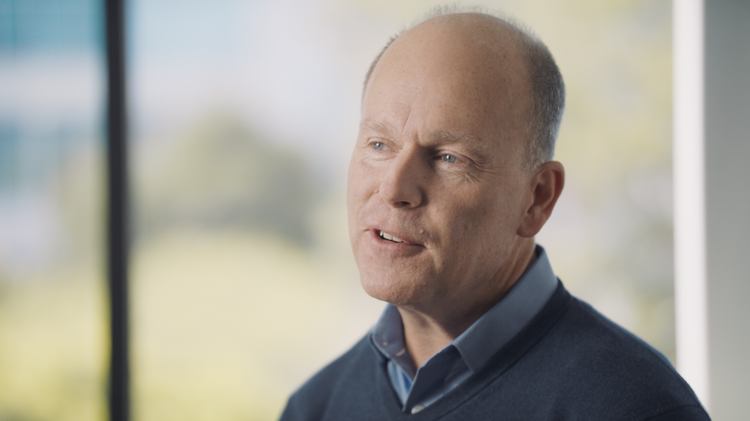

Are you ready to conduct a promotional video interview? Assuming you’ve already thought about the content of your video and how it will be used, below are some insightful questions to ask yourself, along with tips and general guidance to help you make the most of your time and effort.
In other words, when a viewer watches the final video, will they see and hear the person asking the questions? If the interviewer won’t be featured in the interview, have them refrain from making noise. That means not saying “ok” or “hmm” when the subject is answering a question. They can nod and make gestures, but keep it quiet. This makes sure excess noise isn’t picked up by the microphone and helps speed up the editing process.
If the interviewer will be featured in the interview, they can make those aforementioned remarks while the interview subject is talking. This is a common way to do an interview but it will take longer in the editing process.
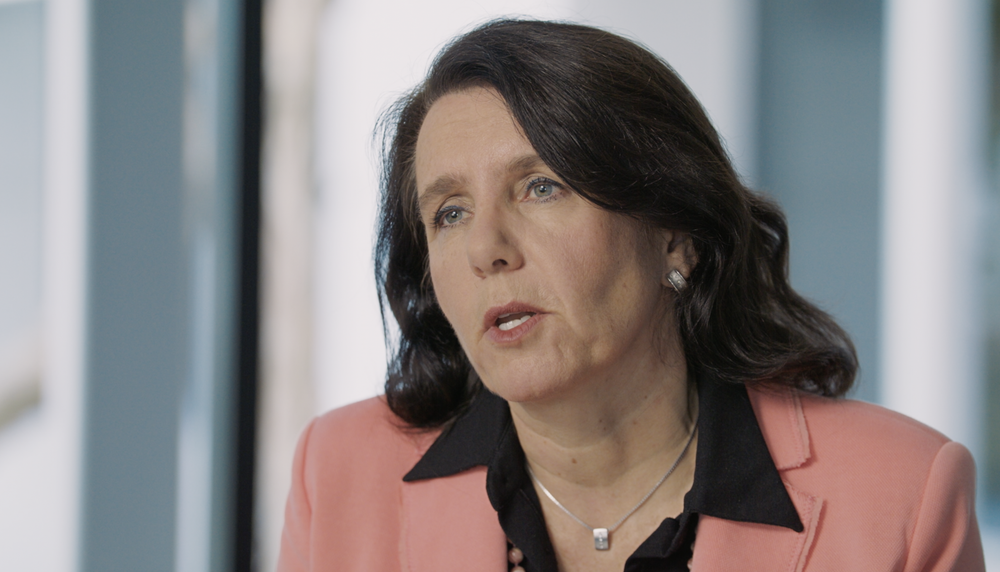
Prior to filming, you should know how you want to address your audience. Decide whether you want the interview subject to look off camera, like the shot above, or directly into camera, like the shot below. Occasionally, a mix of both can work, although it can be tricky to pull off.
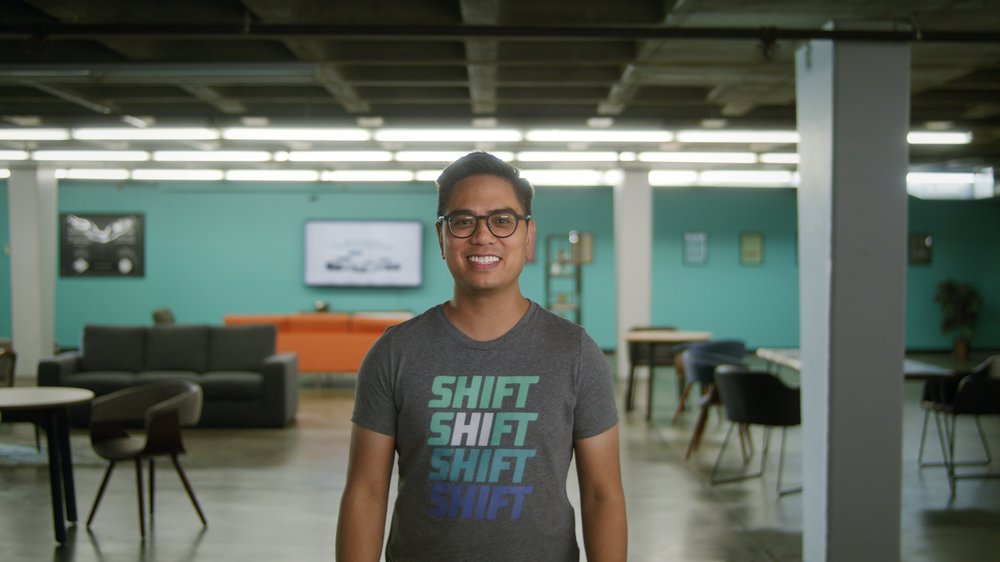
For interview subjects who aren’t professional actors, it often helps to have a human face to look at and connect with while they’re answering the question. This can be accomplished by having them look off-camera, so that they can see the interviewer. However, there are specialized tools that can allow them to see the interviewer’s face while they look directly into the lens.
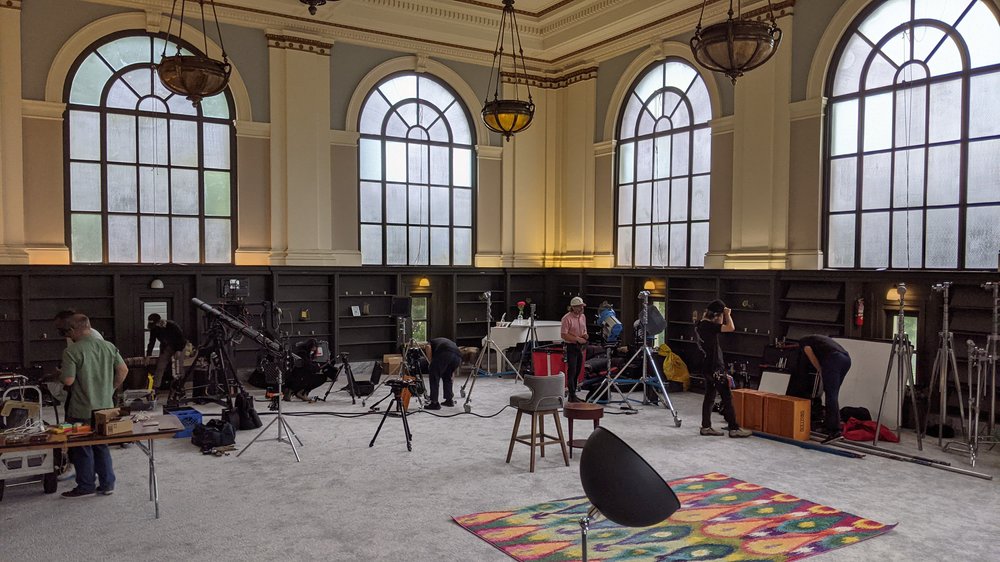
The setting says so much about your company and your brand. If you are short on options, consider using a seamless backdrop to create a clean, de-cluttered image. If you are interviewing a subject in a visually stunning environment, you can often use the setting to your advantage without it being distracting. Using a camera and lens that allow for shallow depth of field helps to center the viewer’s attention on the subject.
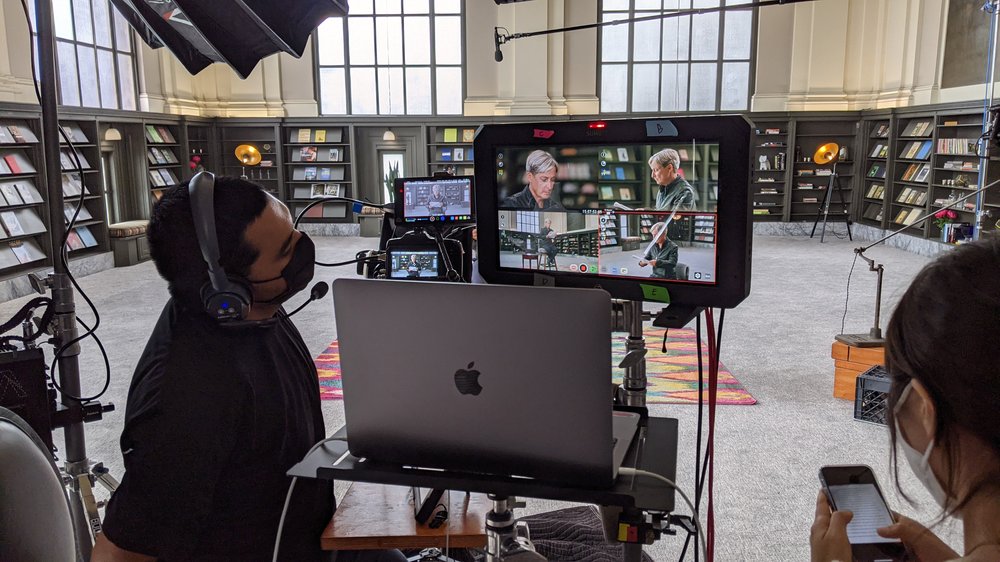
At the interview location, make sure there is enough space for the crew and interview subjects to feel comfortable (even if it’s just you an a few co-workers or friends). Is it conducive to keeping a calm and soothing environment throughout the shoot? Is there enough space for your gear and equipment? Is there a restroom accessible? These are all major questions to ask yourself during the pre-production process.
Also consider the sound environment. Subtle echo, traffic noise, etc. tend to show up more clearly in a video than they do in real life. Make sure the microphone is pointed directly at your subject’s face for the clearest audio. If you are going to be using B-roll or graphics over the interview, audio becomes even more important than video.
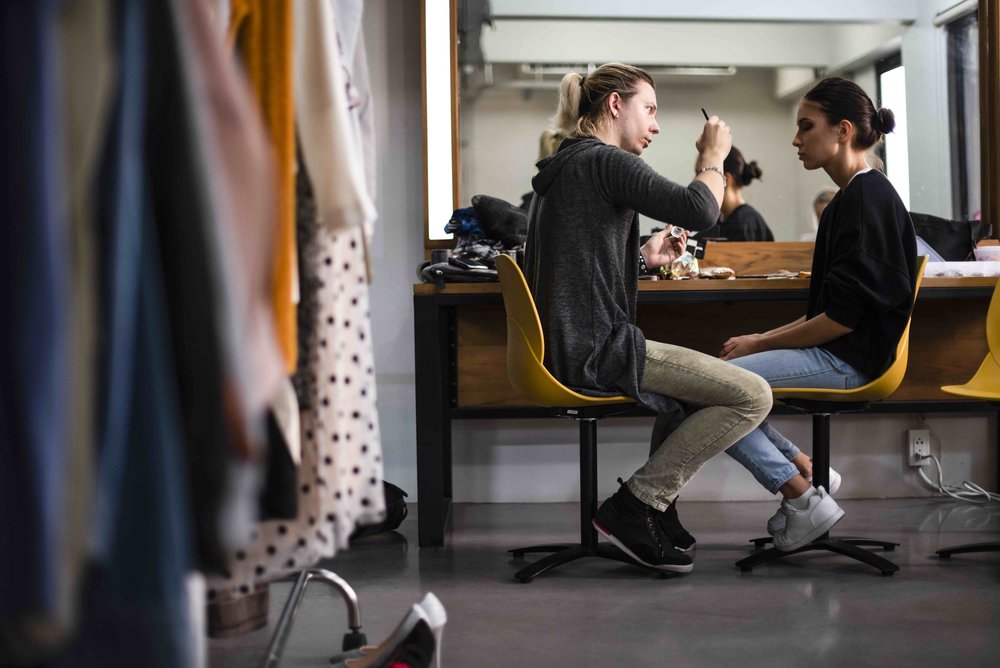
Having stylists for hair, makeup and wardrobe on set is sometimes an afterthought. Even though budgeting for these crew members isn’t a hard need for most interviews, they can drastically improve your subject’s look and confidence. Stylists are often adept at chatting with interview subjects, putting them at ease prior filming. This can help your subject be more open with both the interviewer and the camera.
It’s usually best to have your on-camera talent wear solid colors on the day of filming. Small patterns and stripes on shirts may cause visual issues with digital sensors. Wearing solid black or solid white clothing is also difficult to properly light. Try to keep logos on-brand for what you’re filming.
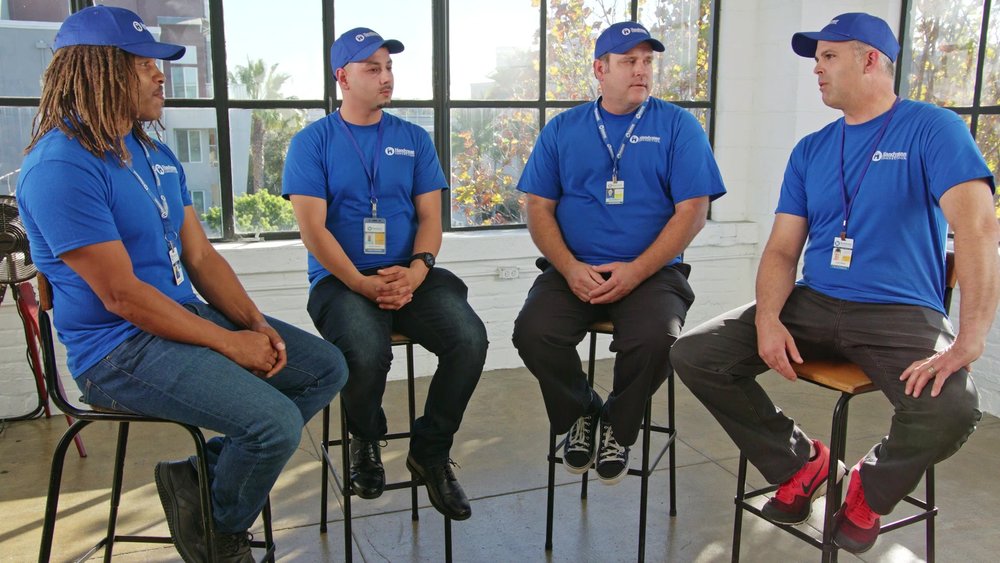
When planning an interview, you’ll need to decide how many people will be on screen at once. Filming an interview with two people on camera requires a much different set up than just one. You must take into consideration how many cameras you’ll have, how many microphones, lights, crew members and space for filming. All of these factors will change how much time you spend on set and filming the interview.
You should also take advantage of the interview space while it is set up. With all the lights, mics, cameras and crew ready to go, think of other people that would be good to get on camera, whether they are related to this project or not.
Now, this is by no means an exhaustive list of things to consider, but hopefully these thought starters point you in the right direction. Should you need help capturing great interviews, get in touch with us to hear more about our process.
Thanks for reading, and happy interviewing!